

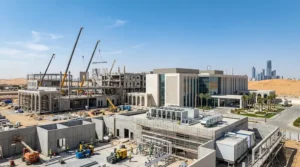

How Climate Conditions in Saudi Arabia Impact Construction Planning
Building in Saudi Arabia is unlike construction in most parts of the world. Construction challenges Saudi Arabia due to its harsh climate have a direct impact on every phase of project planning — from materials and scheduling to safety and sustainability. With summer temperatures soaring above 45–50°C and intense sandstorms common in the desert regions, climate factors play a crucial role in influencing productivity, costs, and design decisions.
In this article, we’ll walk you through how climate conditions shape construction planning in Saudi Arabia and the smart approaches used to overcome these hurdles, including desert construction techniques and advanced hot weather concreting Saudi methods.
Understanding Saudi Climate Conditions
Saudi Arabia’s climate is defined by:
-
Extreme heat: Summer temperatures often exceed 45–50°C in cities like Riyadh and Dammam.
-
Minimal rainfall and high aridity: Most regions see annual rainfall below 100mm, with extremely low humidity inland.
-
Sandstorms and high solar radiation: Frequent desert winds carry fine sand that affects machinery, materials, and worker safety.
These elements create major hurdles for construction planning in Saudi Arabia and require builders to rethink traditional approaches used in more temperate climates.
How Climate Shapes Construction Challenges in Saudi Arabia
1. Extreme Heat Affects Productivity and Worker Safety
One of the biggest construction challenges Saudi Arabia faces is worker health and efficiency. High heat leads to:
-
Reduced productivity due to frequent breaks and heat-related fatigue.
-
Increased risk of heat stress and dehydration among outdoor workers.
-
Restricted working hours during peak summer days to protect crews.
Many construction firms use night-shift schedules, rotate crews, or provide shaded rest areas to manage these risks.
2. Hot Weather Concreting Saudi Issues
Concrete work is highly sensitive to heat — a critical part of desert construction techniques:
-
Rapid drying in intense heat leads to weak curing, shrinkage cracks, and structural risks.
-
High evaporation reduces key water content in concrete, causing incomplete hydration and lower strength.
-
Dust contamination from sandstorms can degrade finishing quality.
To combat these challenges, contractors adopt specialized methods like:
-
Using curing compounds and shading systems.
-
Scheduling pours in cooler hours such as early morning or evening.
-
Introducing chilled water or ice into concrete mixes.
These adjustments are vital for strong, long-lasting concrete structures in hot conditions.
3. Sandstorms and Wind Impact Construction Planning
Saudi Arabia’s desert setting brings frequent sandstorms that:
-
Lower visibility and disrupt schedules.
-
Accelerate wear on equipment and structures.
-
Deposit dust and particles into fresh concrete and machinery.
Strategic planning includes:
-
Installing protective wraps on equipment.
-
Using covered or indoor workstations where possible.
-
Monitoring weather forecasts to avoid exposure periods.
4. Water Scarcity Complicates Construction Operations
Water is critical for concrete mixing, curing, dust control, and site hygiene. But in Saudi Arabia:
-
Natural water sources are scarce, and most needs are met by desalination or transported supplies.
-
Water evaporates quickly in extreme heat, increasing demand.
To reduce water dependence, planners adopt dry construction techniques and precast concrete panels that require less on-site water — especially effective in arid regions.
5. Thermal Expansion and Material Durability
Long-term climate effects cause:
-
Thermal expansion and contraction of concrete and steel.
-
Faster degradation of sealants, coatings, and paints due to UV exposure.
Construction planners use reflective materials, UV-resistant coatings, and advanced insulation to guard buildings against ongoing thermal stress.
Desert Construction Techniques That Work
To navigate construction challenges Saudi Arabia, engineers adopt specialized methods:
Precast and Modular Construction
Fabricating elements off-site and assembling them onsite reduces exposure to harsh climate conditions and speeds up project timelines.
Reflective and Insulating Materials
High performance glass, UV-resistant coatings, and advanced insulation reduce heat gain and protect structures.
Strategic Scheduling
Planning outdoor tasks for cooler hours or colder months improves efficiency and safety.
Water Recycling & Efficient Systems
Recycled water systems and moisture-saving curing compounds lower total water demand.
These techniques help Saudi construction projects stay on time and within budget, even under extreme climate constraints.
Climate Resilience and the Future of Saudi Construction
Saudi Arabia’s Vision 2030 emphasizes sustainable infrastructure and climate resilience. Recent trends show integration of:
-
AI weather forecasting tools to inform planning.
-
Green building standards focused on energy efficiency.
These approaches not only counter current construction challenges Saudi Arabia faces, but prepare future projects for climate uncertainty.
Conclusion
Climate conditions in Saudi Arabia — from extreme heat to arid deserts and sandstorms — deeply influence construction planning and execution. Understanding these conditions is essential for builders who want lasting, safe, and cost-effective structures.
By embracing desert construction techniques, smart hot weather concreting Saudi strategies, and climate-informed scheduling, planners can successfully overcome these challenges and deliver resilient projects across the Kingdom.