Construction in Mecca and Medina: Unique Challenges and Best Practices
Mecca and Medina occupy a unique position in the world of construction. As the two holiest cities in Islam, they attract millions of pilgrims every year, making the built environment directly tied to the safety, dignity, and spiritual experience of Hajj and Umrah visitors. At the same time, they are rapidly growing urban centres where residential, hospitality, and infrastructure development must keep pace with population growth and government investment targets. For construction professionals, working in these cities demands a level of sensitivity, technical rigour, and logistical expertise that goes far beyond a typical Saudi project.
The Scale of the Construction Challenge
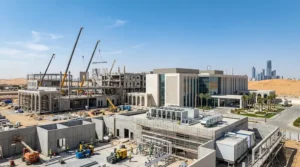
The ongoing expansion of the Grand Mosque in Mecca and the Prophet’s Mosque in Medina represents some of the most ambitious and complex construction projects ever undertaken. Beyond these landmark expansions, both cities are experiencing intense demand for hotels, residential towers, road infrastructure, and transit systems to accommodate growing pilgrim numbers and a permanent urban population. Saudi Arabia has committed billions of riyals to upgrading both cities’ infrastructure as part of its Vision 2030 agenda, and the pace of development shows no signs of slowing.
Access and Logistics Restrictions
One of the most significant construction challenges in Mecca is access control. Non-Muslims are prohibited from entering the city, which directly impacts contractor recruitment, material delivery scheduling, and site supervision. Construction companies operating in Mecca must ensure that all site workers, engineers, and managers are Muslim — a requirement that adds complexity to workforce planning. Material logistics must also be carefully coordinated given traffic volumes during Hajj and Umrah seasons, when access roads can be severely congested and construction activity is often restricted entirely during peak pilgrimage periods.
Working Around Pilgrimage Seasons
Perhaps the most unique scheduling challenge in both Mecca and Medina is the requirement to suspend or dramatically scale back construction activity during major pilgrimage seasons. The Hajj period alone, which concentrates millions of pilgrims into a small geographic area over several days, effectively shuts down most non-essential construction. Contractors must build realistic project programmes that account for these shutdowns, plan work phases accordingly, and manage client expectations around delivery timelines that are inherently more complex than other Saudi cities.
Cultural and Heritage Sensitivity
Construction in both holy cities must be conducted with deep respect for religious heritage and the spiritual significance of the built environment. This affects design decisions, material choices, and even the working culture on site. Contractors must ensure that all workers observe appropriate conduct, that noise and disruption are minimised near active worship areas, and that the visual character of new developments complements rather than diminishes the sacred nature of the surrounding environment.
Choosing a Contractor with Holy City Experience
Given these unique challenges, it is essential to work with a contractor that has direct experience delivering projects in Mecca or Medina. Generic construction expertise is not sufficient — you need a team that understands access protocols, has an established Muslim workforce, knows how to programme around pilgrimage seasons, and has navigated the regulatory environment specific to the two holy cities. Lynx Contracting offers dedicated construction services in Mecca with teams experienced in delivering quality projects within the unique constraints of the city.
الخاتمة
Construction in Mecca and Medina is unlike any other environment in the world. The combination of religious significance, logistical restrictions, seasonal shutdowns, and extraordinary scale demands contractors of the highest calibre with specific local expertise. For developers and investors planning projects in either city, choosing the right construction partner is not just a practical decision — it is a responsibility to the millions of people whose experience of these sacred places will be shaped by what gets built.