

How Vision 2030 Is Transforming the Construction Industry in Saudi Arabia
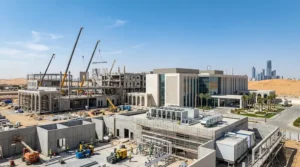
The construction landscape in Saudi Arabia is undergoing one of the most profound transformations in its history — driven by Saudi Vision 2030 construction projects. Through ambitious Vision 2030 infrastructure initiatives and massive Saudi mega projects, the Kingdom is redefining its cities, expanding urban development, and creating new economic engines beyond oil. Today, construction activity in Saudi Arabia isn’t just about buildings — it’s about changing societies, boosting employment, unlocking investment, and setting global standards for scale and innovation.
This article explores how Vision 2030 is revitalizing the construction industry, highlights key KSA development projects, discusses the role of construction companies in Saudi Arabia, and offers a forward-looking view of what this means for the future.
Understanding Vision 2030 and Its Infrastructure Mission
At its core, Vision 2030 is Saudi Arabia’s long-term strategic blueprint for economic diversification and development. It seeks to reduce reliance on oil revenues and position the Kingdom as a global leader in tourism, technology, logistics, entertainment, and sustainable urban development.
A key pillar of this transformation is Vision 2030 infrastructure — wide-scale investments in transportation, cities, and public spaces designed to improve quality of life and enable economic growth. These infrastructure priorities are supported by the public sector and the Public Investment Fund (PIF), which funnels capital into Saudi mega projects and attracts international partners.
Vision 2030’s Impact on the Construction Industry
1. Explosion of Mega and Giga Projects
One of the most visible effects of Vision 2030 is the proliferation of Saudi mega projects. These developments are designed at an unprecedented scale — far beyond traditional real estate.
Examples include:
-
NEOM and The Line: A futuristic, tech-driven smart city with AI integration and eco-friendly design. Despite scaling changes and reviews, NEOM remains a central KSA development project shaping future urban models.
-
Qiddiya Entertainment City: Launched as a world-class entertainment and lifestyle hub, including theme parks like Six Flags Qiddiya.
-
New Murabba & The Mukaab: A mixed-use district in Riyadh featuring a massive cube-shaped landmark called The Mukaab, blending urban living with retail and entertainment.
-
King Salman International Airport: Set to become one of the world’s largest airport complexes, underpinning logistics and travel growth.
-
Jeddah Central Project: A $20 billion waterfront revitalization combining culture, tourism, and lifestyle developments.
-
Masar and Rua Al Madinah: Mega-scale urban expansions near Mecca and Medina aimed at handling millions of pilgrims and boosting tourism revenue.
Through these Saudi Vision 2030 construction projects, the Kingdom is creating diverse sectors like entertainment, culture, transportation, and luxury hospitality — all fueled by massive construction demand.
2. Boosting the Construction Market and Economic Output
The construction industry in Saudi Arabia is booming, with billions of dollars awarded in contracts across infrastructure, commercial, and residential sectors. In the first half of 2024 alone, the construction sector generated an estimated $148 billion in output, powered largely by Vision 2030–aligned developments.
Rapid urbanization, population growth projections, and strategic diversification are increasing demand for new roads, rail systems, airports, ports, housing, and leisure facilities. As a result, KSA development projects are reshaping the national balance between public infrastructure and private investment.
3. Innovation Drives Modern Construction Methods
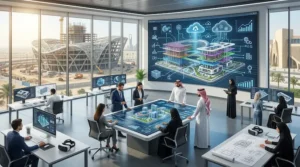
Vision 2030 has spurred innovation in how construction is done. Major reforms and initiatives encourage the adoption of modern construction methods to improve efficiency, reduce waste, and increase sustainability.
-
The Modern Construction Initiative aims to reduce construction waste by up to 90% through advanced manufacturing techniques.
-
Workforce development reforms are improving skills and promoting Saudi participation in construction management and engineering.
These innovations are making Saudi construction more efficient, environmentally friendly, and globally competitive.
4. Opportunities for Construction Companies in Saudi Arabia
Under Vision 2030, construction companies in Saudi Arabia are at the center of this growth story. Local firms and international partners alike are seeing opportunities for contracts worth billions.
Prominent players contributing to Vision 2030 infrastructure include:
-
Saudi Binladin Group: Long-standing heavyweight with involvement in landmark projects.
-
El-Seif Engineering Contracting Company: Known for delivering large-scale infrastructure.
-
Mace Group and other international firms: Bringing global expertise to high-tech urban projects.
-
Emerging companies focused on civil engineering and specialized construction services.
Demand for expertise in planning, project management, system integration, and sustainable building is rising — creating long-term prospects for firms that can deliver complex Saudi mega projects.
5. Enhancing Social and Economic Outcomes
The impact of Vision 2030 construction is not just economic. It reaches into society, jobs, sustainability, and quality of life:
Job Creation
Large-scale construction generates jobs for engineers, builders, architects, managers, and skilled labor — helping Saudi Arabia achieve employment goals and workforce localization.
Improved Infrastructure
New transit systems, airports, and urban districts improve accessibility and mobility. This supports tourism, commerce, and investment inflows.
Visitor and Tourism Growth
With projects like Masar, Sultan-area expansions, world-class entertainment hubs, and luxury destinations, Saudi Arabia is positioning itself as a global tourism destination — generating significant revenue and international attention.
Challenges and Realities
No transformation of this scale is without challenges. Some ultra-large projects like The Line have faced scrutiny and scaling adjustments due to logistic and financial realities. However, these challenges are part of the learning curve for KSA development projects that push technological and engineering boundaries.
Conclusion
Saudi Arabia’s construction industry is being reshaped by Saudi Vision 2030 construction projects more dramatically than ever before. From cutting-edge urban developments to global transportation hubs, the Kingdom’s Vision 2030 infrastructure strategy and Saudi mega projects are unlocking new economic sectors, boosting employment, and establishing Saudi Arabia as a global leader in modern construction.
Construction companies in Saudi Arabia are now participating in a once-in-a-generation opportunity to build cities, airports, entertainment capitals, and iconic landmarks. The country’s commitment to innovation, sustainability, and diversification means that this transformation will continue to evolve — setting new standards for construction development across the Middle East and the world.