Mixed-Use Developments in Saudi Arabia: Building the Cities of Tomorrow
Saudi Arabia’s urban landscape is being fundamentally reimagined. Under the country’s Vision 2030 programme, cities like Riyadh and Jeddah are evolving from single-function districts into vibrant, multi-layered communities where people can live, work, shop, and socialise — all within the same development. Mixed-use projects are at the heart of this transformation, and they are reshaping how developers think about land use, investment returns, and the built environment.
What Makes a Development Truly Mixed-Use?
A genuine mixed-use development does more than stack residential floors on top of retail. It creates a living ecosystem where diverse functions reinforce one another. In Saudi Arabia, this typically combines high-quality residential units, Grade A office space, retail and F&B offerings, hospitality components, and public realm spaces such as plazas, parks, and pedestrian corridors. When designed and managed well, the synergy between these uses drives foot traffic, increases dwell time, and generates stronger returns for all asset classes within the project.
Why Saudi Arabia Is Ideal for Mixed-Use Growth
Several factors make the Kingdom an exceptionally fertile ground for mixed-use development. A young, urban population is demanding walkable, experience-rich environments. Rising land costs in key urban centres are pushing developers to maximise density through vertical and mixed-use schemes. And the government’s ongoing push to develop entertainment, retail, and hospitality sectors under Vision 2030 is creating sustained demand for exactly the kind of integrated destinations that mixed-use developments offer. Riyadh and Jeddah are already home to landmark schemes, and secondary cities are following close behind.
Key Challenges Developers Must Navigate
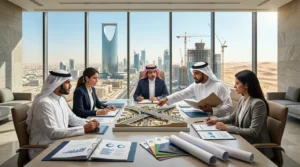
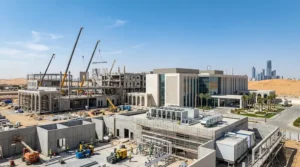
Mixed-use projects are inherently more complex to develop than single-use buildings. Managing multiple stakeholders — residential buyers, commercial tenants, hotel operators, and retail brands — requires sophisticated project management and design coordination. Phasing is also critical: getting the sequencing of construction wrong can leave a development feeling incomplete and underperforming for years. Regulatory approvals across multiple use types add further layers of complexity. Selecting a developer with genuine mixed-use expertise in the Saudi market is therefore one of the most important decisions any investor or municipality can make.
The Role of Design in Creating Successful Mixed-Use Places
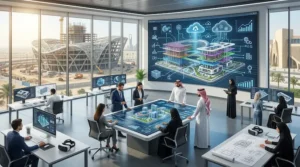
Great mixed-use developments are not accidental — they are carefully designed around human behaviour. Ground-floor activation, visual connectivity, parking management, and the careful separation of private residential access from public commercial zones all require considered planning from the earliest stages. Climate-responsive design is also essential in Saudi Arabia’s harsh summers, with shading, wind corridors, and indoor-outdoor transitional spaces playing a major role in whether a development feels welcoming or hostile to pedestrians.
Finding the Right Development Partner
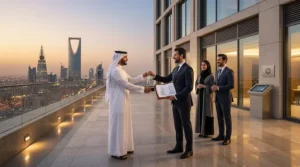
Whether you are a public entity, a private investor, or a land owner looking to unlock value, partnering with an experienced mixed-use developer is essential to achieving the vision. The right partner brings master planning capability, construction management, leasing strategy, and long-term asset management expertise under one roof. If you are exploring a mixed-use opportunity in Riyadh, working with a trusted mixed-use developer in Riyadh can make the difference between a thriving urban destination and an underperforming asset.
Conclusion
Mixed-use development is not just a trend in Saudi Arabia — it is becoming the default template for how cities grow and evolve. As the Kingdom continues to invest in liveable, sustainable, and economically dynamic urban environments, the developers who can design and deliver truly integrated destinations will be best positioned to shape the future of Saudi cities.